How Old Gutters Can Cause Water Damage Around Your Home
How Failing Gutters Lead to Water Damage Issues
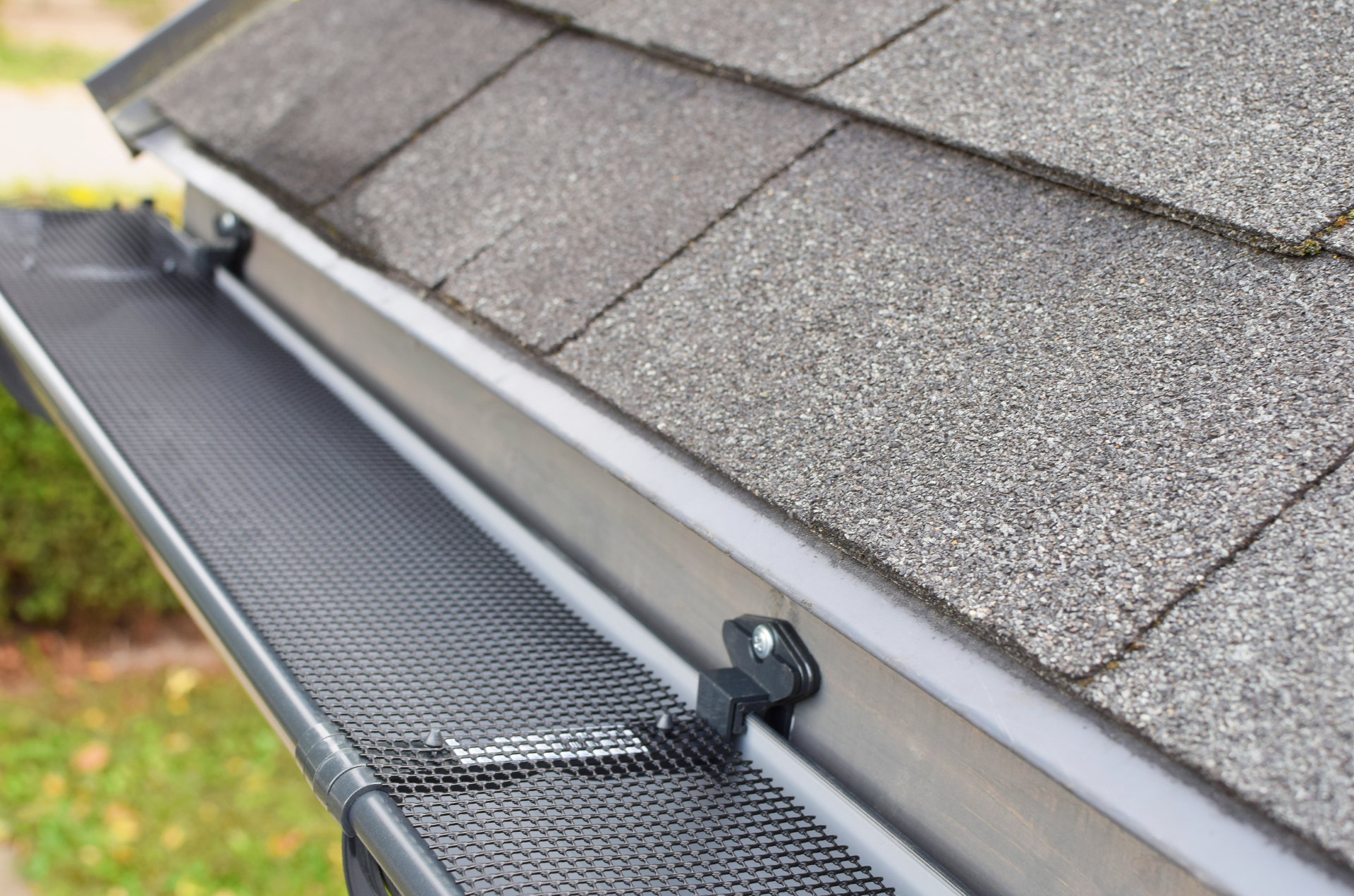
Older gutters that have slipped, rusted, or lost their pitch quietly change how your home handles rain. Rather than channeling water away from roofs, walls, and foundations, failing gutters redirect moisture to vulnerable areas, accelerating deterioration and inviting costly repairs. Recognizing the pathways and signs of gutter-related water damage helps homeowners prioritize inspections and professional remediation before small leaks become major problems.
What Happens When Gutters Lose Their Functionality?
When gutters are aged, warped, or disconnected, they no longer carry runoff to downspouts efficiently. Water pools at seams, spills over fascia, or cascades off the roof edge. That redirected flow saturates siding, soffits, and window frames, promoting rot, mold growth, and paint failure. In freeze–thaw climates, trapped water in compromised gutters can expand and further distort the system, increasing the volume of uncontrolled runoff during subsequent storms.
How Do Faulty Gutters Affect Foundations and Landscaping?
Gutters that overflow or discharge too close to the house concentrate water at the foundation line. Persistent soil saturation around footings can erode grading, wash away protective soil layers, and increase hydrostatic pressure on basement walls. Over time, this may cause cracking, mortar deterioration, settlement, or chronic moisture in basements or crawl spaces. Landscaping suffers as well: mulch and plant beds can be scoured, root zones become waterlogged, and irrigation patterns disrupted, undermining both curb appeal and plant health.
Can Old Gutters Cause Roof and Attic Water Damage?
Yes. Water that bypasses or backs up in old gutters often soaks roof edges and underlayment, making the roof decking susceptible to rot and soft spots. Leaks may travel beneath shingles and enter attic spaces, where hidden moisture fosters insulation damage, wood decay, and mold growth. These conditions compromise indoor air quality and can necessitate extensive repairs to roofing, framing, and mechanical systems if left unaddressed.
What Warning Signs Indicate Gutter-Related Water Problems?
- Visible Overflow and Stains: Overflow during normal rain, rust streaks on siding, or dark water stains beneath seams suggest capacity loss or misalignment.
- Sagging Gutters and Loose Fasteners: Bent hangers or sagging sections indicate structural failure, allowing water to spill near the house rather than being directed away from it.
- Cracked or Missing Downspouts: Downspout failures concentrate discharge at the foundation; disconnected sections or missing splash blocks at the outlet are common contributors to pooling.
- Peeling Paint, Rot, or Mold on Fascia and Soffits: Repeated wetting at roof edges causes surface failure and hidden decay behind cladding.
- Basement or Crawlspace Moisture: New dampness, musty odors, efflorescence on foundation walls, or increased dehumidifier use often trace back to roof runoff problems.
- Landscape Erosion and Pooling Near Foundations: Eroded planting beds, compacted wet soil, or puddles after light rain point to improper water diversion.
- Ice Dams and Icicles in Winter: Ice accumulation along roof edges can result from persistent overflow or poor drainage, allowing thawed water to refreeze at the eaves.
- Interior Ceiling Stains or Water Spots: Brownish rings, blistering paint, or sagging drywall under rooflines can be caused by water penetrating where gutters fail to protect roof edges.
How Should You Address Gutter-Related Water Damage?
Prompt action centers on assessment and targeted repair or replacement. A thorough inspection identifies where gutters lack pitch, fasteners have failed, seams leak, or downspouts terminate too close to the foundation. Professional contractors can evaluate whether partial repairs suffice or full replacement with appropriately sized, durable materials is warranted.
Addressing associated issues—grading, splash blocks or extension piping, fascia replacement, and attic ventilation—prevents recurrence. While some homeowners consider quick fixes, amateur attempts can miss hidden damage, leading to mistakes and additional costs later; engaging experienced professionals reduces long-term risk.
When old gutters are the source, treating the system and its downstream effects often restores protection and prevents escalating structural and interior damage.
Are Your Gutters Old and in Need of Replacement in Crown Point, IN?
If you’re a homeowner in
Crown Point,
Munster,
Schererville, or
St. John, IN, and your
gutters are ready to be replaced,
contact us at Eenigenburg Roofing. We are family-owned and operated and have been replacing gutters in Crown Point, IN, for more than 60 years. We can assist you with insurance claims and come out to inspect your gutters if you’re unsure.