What to Do If Your Roof Insurance Claim Is Denied
What Happens If Your Roof Insurance Claim Is Denied?
Discovering that your roof insurance claim has been denied after a storm is one of the more frustrating experiences a homeowner can go through. You watched the storm roll through, you saw the damage, and you filed your claim in good faith. A denial can feel final. In many cases it is not. A denied claim is not always a reflection of whether the damage is real or whether coverage exists. It is often the beginning of a process rather than the end of one, and knowing the next steps puts you in a much stronger position to pursue a better outcome.
Why Roof Insurance Claims Get Denied
Understanding the specific reason your claim was denied is the most important first step, because the right response depends entirely on what went wrong in the insurer's eyes. The most common reasons roof insurance claims are denied include:
- Lack of storm-related evidence. If the adjuster could not clearly connect the damage to a specific weather event, the claim may have been denied for insufficient proof of a covered peril.
- Roof age concerns. Insurers sometimes use the age of the roof to argue that the damage is expected deterioration rather than storm-related loss. Older roofs face more scrutiny, but age alone does not automatically disqualify a claim.
- Wear and tear exclusions. Most policies exclude damage caused by gradual wear and aging. When an adjuster attributes damage to wear and tear rather than storm impact, the exclusion can be applied to deny the claim.
- Improper installation claims. If the adjuster determines that damage resulted from faulty installation rather than a storm event, the claim may be denied on the basis that the contractor's work, not the weather, is responsible.
- Missed filing deadlines. Most policies require claims to be filed within a defined window after a storm event. Filing late can result in denial regardless of the legitimacy of the damage.
- Insufficient documentation. A claim submitted without adequate photographs, storm data, or supporting evidence gives the adjuster little to work with and increases the likelihood of denial.
- Pre-existing damage. If the insurer determines that the damage existed before the storm in question, they may deny the claim on the basis that it is not a new, covered loss.
- Damage below the deductible threshold. When the total assessed damage falls below the policy deductible, the insurer does not have a financial obligation to pay, and the claim will be closed without a payment even if the damage itself is real.
Review Your Insurance Claim Documents Carefully
Before taking any further action, read every document the insurance company has sent you. The denial letter is the starting point, but the scope of loss, the adjuster notes, and the full claims file all contain details that matter.
Pay attention to what was approved versus what was denied. Many denials are partial rather than complete, meaning some damage was covered and other portions were excluded. Homeowners sometimes misread a partial denial as a full denial and stop pursuing coverage they are still entitled to.
Look specifically at the exclusion language the insurer used to justify the denial. Understanding the exact policy provision they are relying on tells you what evidence you would need to counter their position. The adjuster's notes may also reveal whether the inspection was thorough or whether the roof received a limited review that missed significant damage.
Schedule a Professional Roof Inspection
An independent inspection by a qualified roofing contractor is one of the most effective steps available after a denial. An insurance adjuster's inspection may have been brief, conducted under less than ideal conditions, or performed by someone without deep expertise in storm damage assessment. A contractor with storm restoration experience will look for things an adjuster may have missed or dismissed.
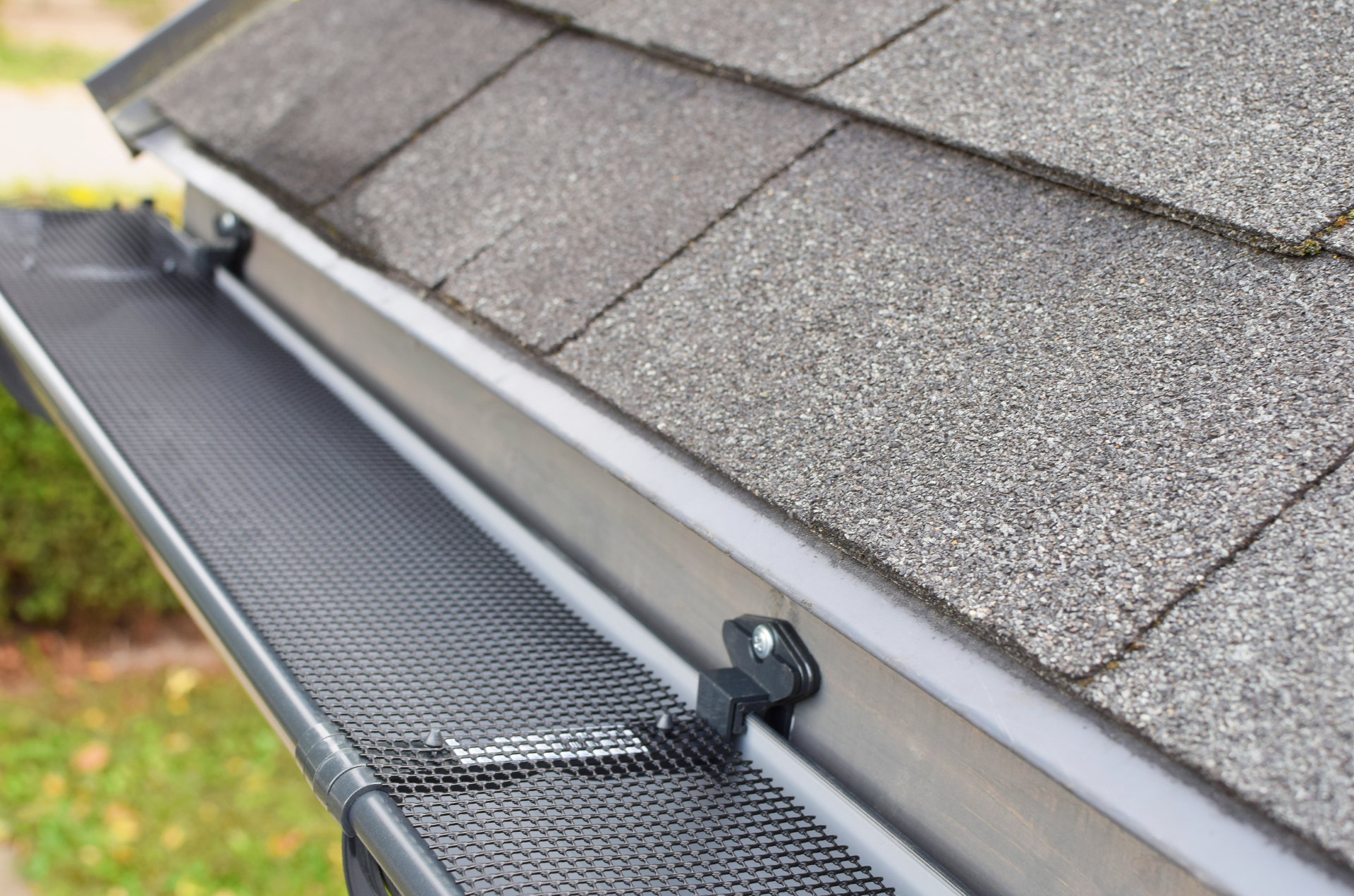
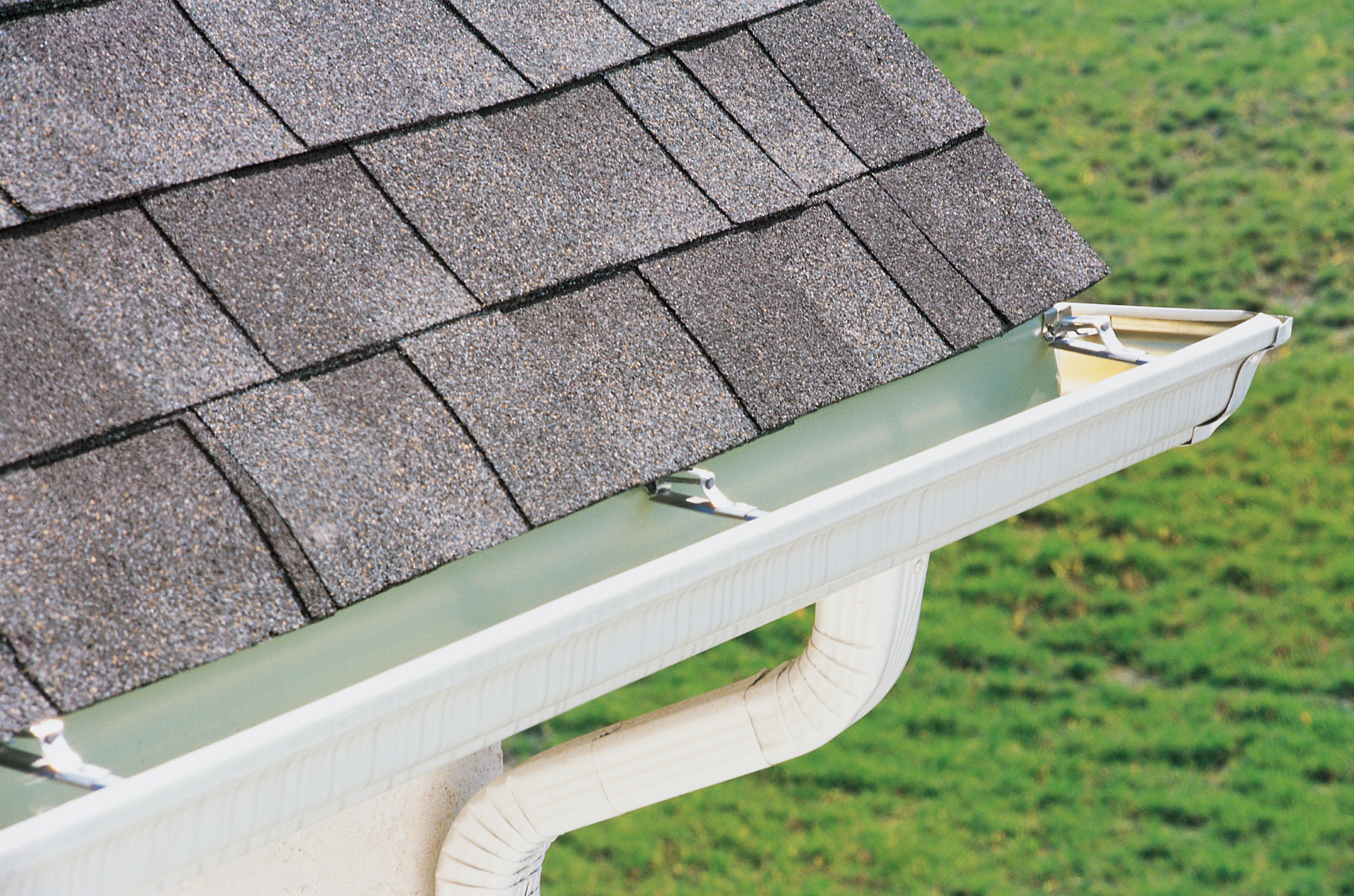
A thorough professional inspection for insurance purposes should include photo documentation of every area of damage, storm damage reports that establish the pattern and type of impact, shingle crease analysis to identify hail damage that may not be immediately visible, collateral damage inspection covering gutters, downspouts, fascia, and siding that show evidence of the same storm event, and an attic and interior inspection to document any related leak activity or structural evidence of damage.
The resulting documentation becomes the foundation for any appeal or supplemental claim. The strength of the evidence a roofing contractor produces directly affects the outcome of the next conversation with the insurer.
Can You Appeal a Denied Roof Insurance Claim?
In most cases, yes. A denied claim is not automatically the end of the road. Here is a breakdown of the options available after a denial without venturing into legal advice territory:
- Supplemental claims allow you to submit additional documentation or newly identified damage that was not included in the original claim. If the professional inspection uncovered damage that was missed in the adjuster's review, that documentation can be submitted as a supplement.
- Requesting reinspection is often the most direct path. Armed with a contractor's inspection report and supporting evidence, you can formally request that the insurance company send an adjuster back out to review the damage again.
- Submitting additional evidence, including weather service records, radar data from the storm date, contractor documentation, and collateral damage reports, can shift the adjuster's assessment when presented alongside a reinspection request.
- Second adjuster reviews are sometimes available through the insurance company itself. If you believe the original adjuster's assessment was flawed or incomplete, requesting a different adjuster can produce a different outcome.
Review the denial letter carefully for the deadline by which any appeal must be filed. Missing that window can forfeit the right to pursue the claim further.
What Happens If Insurance Says the Damage Is "Wear and Tear"?
The wear and tear designation is one of the most common sticking points in roofing insurance disputes, and it is one of the most important to understand and challenge when it is applied incorrectly.
There is a meaningful difference between damage caused by a storm and damage caused by gradual aging. Hail impact leaves specific identifiable patterns including granule displacement, fractured shingle mat fibers, and impact marks that follow a directional pattern consistent with the storm. Wind damage produces different evidence, including lifted shingles, cracked seals, and directional displacement that correlates with wind speed and direction during the weather event.
An older roof is not automatically ineligible for coverage. If hail or wind caused damage to an older roof, the storm is still the proximate cause of a covered loss. The key is having a roofing contractor who can document the difference between storm-caused damage and normal aging, and present that documentation in a format that directly addresses the insurer's wear and tear argument.
Should You Get a Second Opinion From Another Roofing Contractor?
If you are not confident in the initial inspection or the documentation that was submitted with the original claim, a second opinion from an experienced storm restoration contractor is a sound step. Not all roofing inspections are equal. A contractor who primarily handles routine replacements may not have the same depth of knowledge around storm damage identification and insurance documentation as one with specific experience in storm restoration work.
Look for a contractor who can explain exactly what damage they found, why it qualifies as storm-related rather than wear and tear, and how they will document it in a format that is useful for the claims process. The quality of the documentation a contractor produces often matters as much as the damage itself when an insurer is reviewing a dispute.
What If Insurance Only Approves a Repair Instead of Full Replacement?
Partial approvals, where the insurer approves repairs rather than a full replacement, create their own set of complications that homeowners should understand before accepting the settlement.
- Matching issues arise when shingles from the approved repair scope cannot be matched to the existing roof because the product has been discontinued or the color no longer matches after weathering. Many states and policies have provisions requiring that replacement material match the surrounding area reasonably well.
- Discontinued shingles present a direct argument for full replacement in some situations. If the damaged shingles cannot be replaced in kind because the product no longer exists, a patch repair may leave the roof visually inconsistent and structurally compromised at the repair boundaries.
- Repairability concerns exist in situations where the damage pattern across the roof is extensive enough that individual repairs do not restore the system to its original performance level. A contractor who can document why repair is insufficient makes a stronger case for full replacement approval.
- Code compliance can also be a factor. If a repair requires bringing a section of the roof up to current code standards, the scope and cost of that work may shift the calculation toward replacement.
How Eenigenburg Roofing Helps Northwest Indiana Homeowners Through the Insurance Process
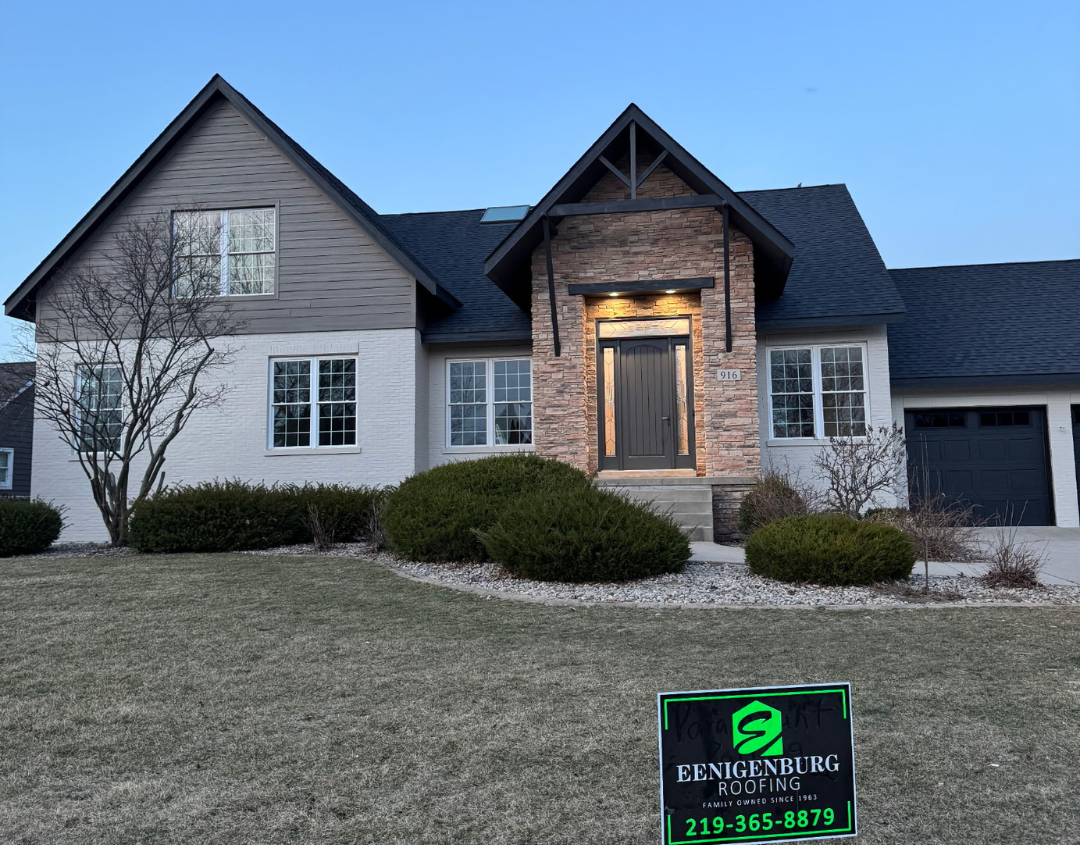
Eenigenburg Roofing works with Northwest Indiana homeowners at every stage of the insurance process, from the initial inspection through the resolution of a disputed or denied claim. Our team provides thorough inspection reports with photo documentation, storm damage analysis, and collateral damage assessments that give homeowners the evidence they need to support their claim.
When an adjuster visit is scheduled, Eenigenburg Roofing can be present to walk through the damage directly with the adjuster, answer technical questions about the damage pattern, and ensure that nothing relevant is overlooked during the review. Our team helps homeowners understand the estimates and documentation they receive, explains what their options are at each stage, and supports them through the supplemental and appeal process when the original claim does not produce a fair result.
The goal throughout is to make sure homeowners in Crown Point, St. John, Schererville, and Munster have the information and documentation they need to pursue the outcome their policy entitles them to. Eenigenburg Roofing has been doing this work since 1963 and holds CertainTeed Roofing Masters certification, which means the documentation we produce carries the weight of a credentialed contractor behind it. If your roof insurance claim has been denied or you need a second opinion after storm damage, contact Eenigenburg Roofing today to schedule a professional inspection.
Frequently Asked Questions About Denied Roof Claims
Can I reopen a denied roof claim?
In many cases, yes. Most insurance policies allow for supplemental claims, appeal processes, or reinspection requests within a defined timeframe after the initial denial. Review your denial letter for specific deadlines and contact your insurer to understand the options available under your policy.
How long do I have to appeal a roof claim?
The timeframe varies by insurer and by state. Most policies define a specific window for appeal or supplemental submission after a denial. In Indiana, it is important to review your policy and act promptly, as missing the appeal window can forfeit your right to pursue the claim further.
Can hail damage be missed during an insurance inspection?
Yes. Hail damage is not always visually obvious, particularly on certain shingle types where granule displacement and mat fractures require close inspection to identify. An adjuster who spends limited time on the roof or who lacks specific storm damage experience may miss damage that a thorough contractor inspection would document.
Does roof age automatically disqualify coverage?
No. Age is a factor insurers consider, but a storm event can still be the proximate cause of a covered loss on an older roof. The key is documentation that clearly establishes the damage as storm-related rather than the result of gradual deterioration.
What if my deductible is high?
If the assessed damage falls below your deductible, there is no insurance payment regardless of whether the damage itself is covered. In that situation, a contractor can help you understand the full scope of damage, which may be greater than what the adjuster assessed, and whether additional documentation would change the picture.
Should I file another claim after a second inspection?
Not necessarily a new claim, but a supplemental submission or appeal based on the new documentation from a second inspection is often appropriate. Consult with your roofing contractor and review your policy terms before taking action to ensure you follow the correct process under your specific coverage.