What to Do If Your Roof Was Damaged by Wind or Hail This Spring
Spring Storm Roof Damage: What Homeowners Need to Do Next
Spring storms across Crown Point and Northwest Indiana can leave behind roof damage that is not always obvious from the ground. High winds, hail, and heavy rain can loosen shingles, damage flashing, and create leaks that worsen significantly over time if left unaddressed. Homeowners throughout Crown Point, Lowell, St. John, and Munster often discover storm damage days after severe spring weather passes through the area, sometimes only after water has already begun working its way into the home. Acting quickly after a storm protects your home from further damage, preserves your repair options, and strengthens your insurance claim documentation from the start.
How to Tell If Your Roof Has Wind or Hail Damage
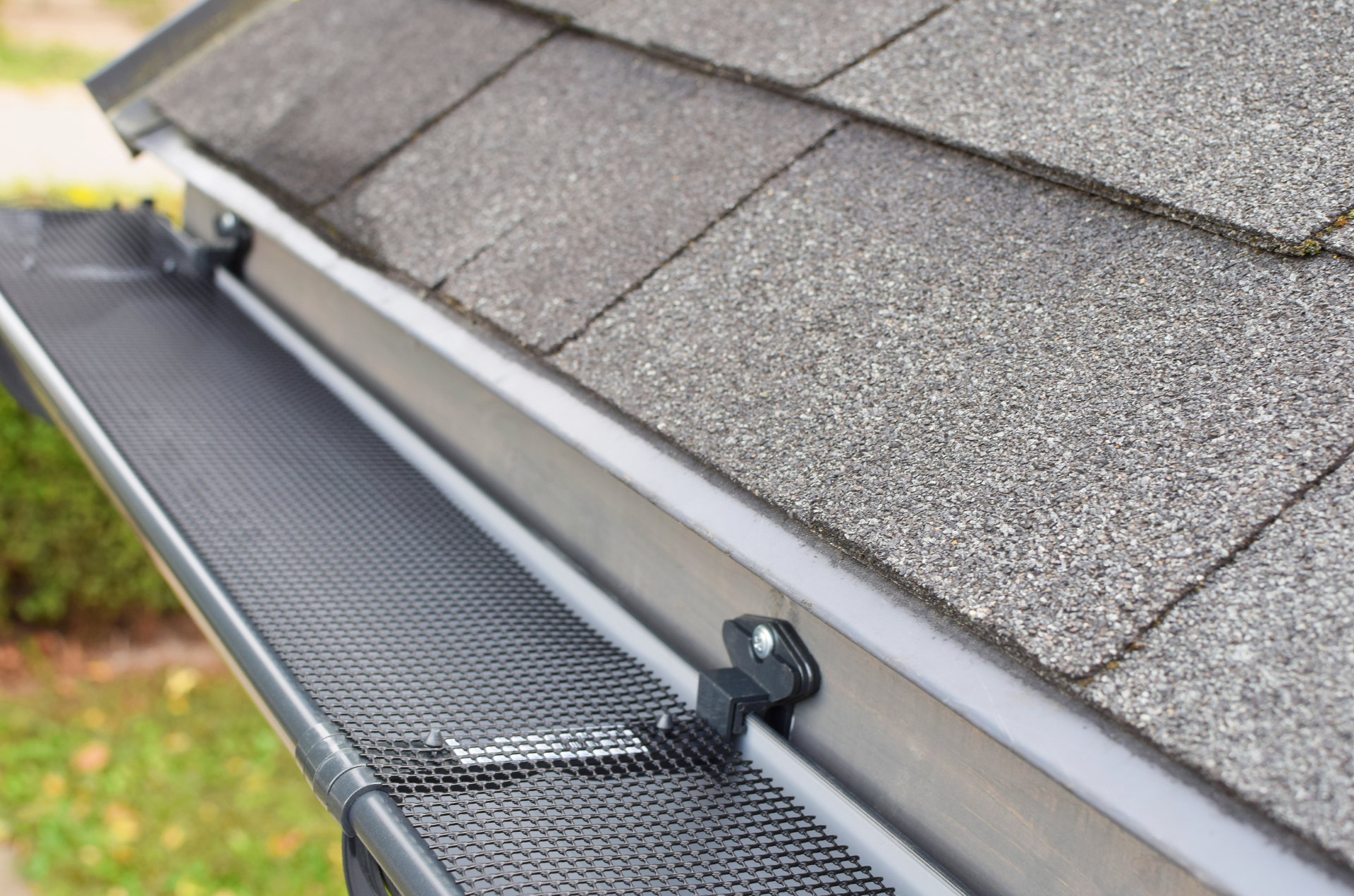
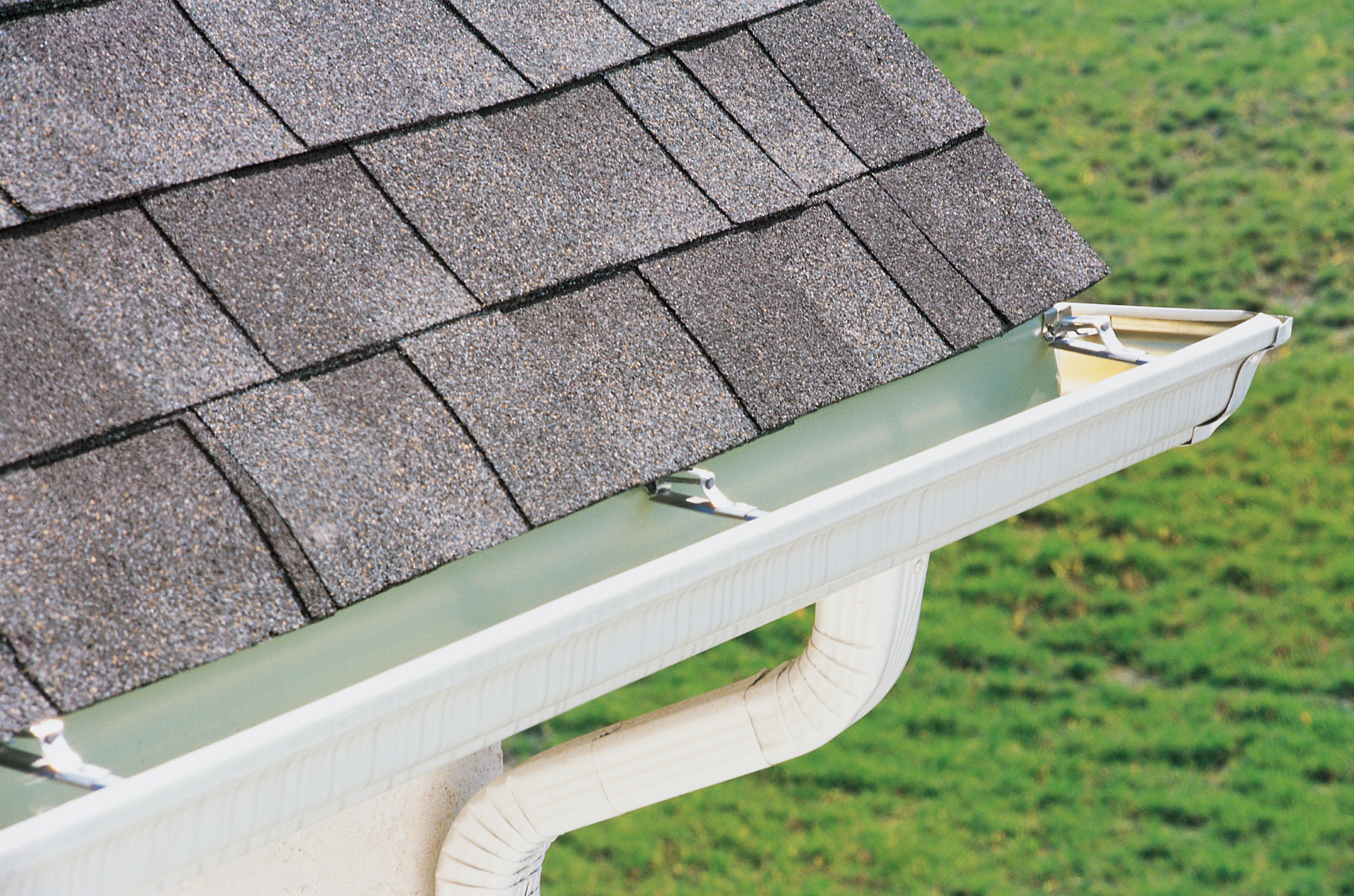
Wind and hail damage roof repair starts with knowing what to look for, and many of the most telling signs are visible from the ground without ever getting on the roof yourself. After a storm passes, walk the perimeter of your home and look for missing shingles, shingle pieces in the yard, or granules collecting in your gutters and downspouts. Granule loss is one of the clearest signs of hail impact on asphalt shingles and is often significant even when the shingles appear intact from a distance. Check your gutters, downspouts, and any metal flashing around chimneys or vents for visible dents, which indicate hail was large enough to cause meaningful impact. Wind-damaged shingles often show up as lifted corners, curling edges, or sections where the adhesive seal has been broken, leaving the shingle vulnerable to the next rain event. If you have a skylight, check the frame for cracks or seal damage as well. Any of these signs warrant a professional inspection before you assume the damage is minor.
Why Some Storm Damage Is Not Visible From the Ground
Hidden hail damage is one of the most common and costly mistakes homeowners make after a storm. A roof can sustain significant impact damage that is completely invisible from street level but is actively shortening the life of the shingles and compromising the roof's ability to shed water properly. Hail impacts crack the mat beneath the granule surface of asphalt shingles in ways that are only visible up close, and those cracks allow moisture to penetrate the shingle over time even when it looks fine from below. Unseen roof damage from wind can include broken seal tabs, cracked decking, and damaged underlayment that does not show up until the next heavy rain produces an active leak. This is exactly why a professional storm damage roof inspection matters even when your roof appears undamaged from the ground. Insurance adjusters are trained to look for this damage, and having a professional inspection report documenting it before your adjuster arrives puts you in a significantly stronger position when filing your claim.
What to Do Immediately After a Storm
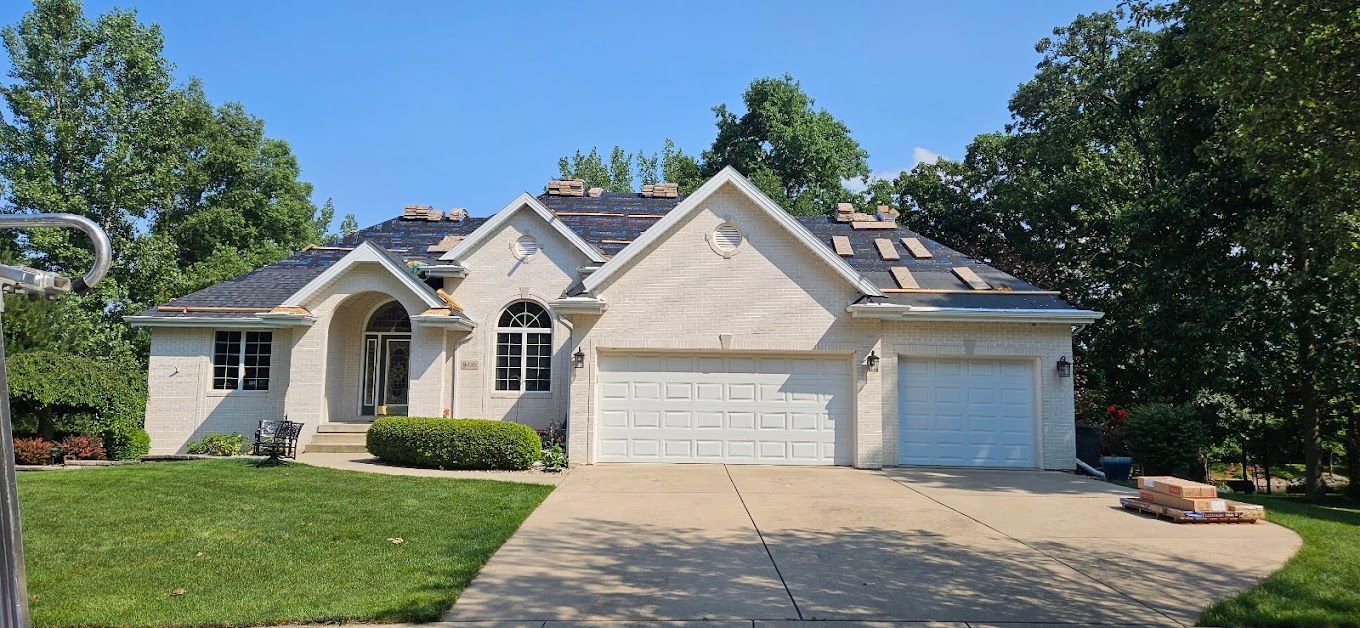
The steps you take in the hours and days after a storm can have a direct impact on both your home and your insurance claim. Start by documenting everything you can safely observe from the ground. Photograph your roof, gutters, siding, and any debris in your yard, and note the date and time of the storm. Do not attempt to get on the roof yourself. Beyond the safety risk, walking on a storm-damaged roof can cause additional damage that complicates your claim. If the storm has left an opening in your roof, emergency roof tarping can prevent further water intrusion until a full inspection and repair can be scheduled. Contact a qualified roofing contractor before you call your insurance company. A professional inspection gives you an independent assessment of the damage, which is far more valuable going into the claims process than filing a claim based on what you can see from your driveway. At Eenigenburg Roofing, we respond quickly to storm damage calls across Northwest Indiana and can get eyes on your roof before conditions change or additional damage sets in.
Why a Professional Roof Inspection Matters After Storm Damage
A storm damage roof inspection from a trained roofing contractor does more than confirm whether damage exists. It documents the full scope of what the storm did to your roof in a way that supports your insurance claim and protects you from discovering missed damage months later. Roofing professionals know where hail damage concentrates, how wind damage progresses across a roof system, and what secondary damage to flashing, underlayment, and decking looks like before it becomes an active leak. An insurance roof inspection by your adjuster alone may not capture everything, particularly on roofs where hail damage is present but subtle. Having a roofing contractor present during the adjuster's visit, or providing your own documented inspection report, helps ensure the full picture of the damage is accounted for in your claim. Eenigenburg Roofing has been helping homeowners through this process across Crown Point and Northwest Indiana for over 60 years, and we know exactly what insurers look for and how to document damage effectively on your behalf.
Should Your Roof Be Repaired or Replaced After Storm Damage?
Whether hail damage roof repair or a full roof replacement after hail is the right call depends on several factors that a professional inspection will help clarify. The age of your roof matters significantly. A 10-year-old roof with localized wind damage in one area may be an excellent candidate for targeted repair. A 20-year-old roof with widespread hail impact across the entire surface is often better served by replacement, both structurally and financially. The extent of granule loss, the number of shingles with broken seals or cracked mats, and whether the decking and underlayment were compromised all factor into the decision. Insurance coverage also plays a role. Many policies cover full replacement when storm damage is widespread enough to meet their threshold, and a documented inspection from a qualified contractor is often what determines which side of that line your claim falls on. We walk every homeowner through this decision honestly, with a clear explanation of what we found and what we recommend based on the actual condition of the roof rather than what is most profitable for us.
How to Navigate a Storm Damage Insurance Claim
Filing a storm damage insurance claim for roof repair or replacement is a process most homeowners have never been through before, and it can feel overwhelming when you are already dealing with the stress of a damaged home. The first step is getting your inspection done and your damage documented before your adjuster arrives. Your policy will typically require you to file within a specific timeframe after the storm, so do not wait to start the process. When the adjuster visits, having a roofing contractor present who can speak to the damage directly is one of the most effective ways to ensure nothing gets missed or undervalued. Once your claim is approved, review the scope of work your insurer is covering carefully and make sure it matches the damage documented in your inspection. At Eenigenburg Roofing, we assist homeowners throughout the insurance claims process from initial inspection through final repair, helping make sure the work that gets approved is the work your roof actually needs. Homeowners in Lowell, St. John, and Munster can reach us directly to get the process started.
Schedule a Storm Damage Roof Inspection in Crown Point, IN
If your roof took a hit from spring wind or hail, do not wait to find out how bad it is.
Contact Eenigenburg Roofing for a professional
storm damage inspection in
Crown Point,
Lowell,
St. John, and
Munster, IN. We have served Northwest Indiana homeowners since 1963 with honest assessments, quality workmanship, and full insurance claims assistance from start to finish. Call us, text us, or fill out our online form for a free estimate today.